
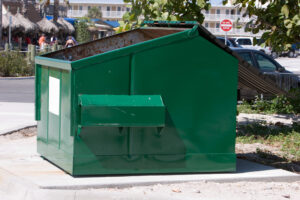
For restaurants, grocery stores, medical facilities, and countless other commercial properties, health code compliance isn’t optional — it’s a core part of staying open and operating legally. While most business owners focus on kitchen sanitation, food storage, and employee hygiene, the dumpster sitting behind the building is often left out of the conversation entirely. That oversight can end up costing far more than expected.
Dumpsters Fall Under Health Code Scrutiny Too
Health inspectors don’t stop at the front counter. Waste storage and disposal areas are frequently part of routine inspections, particularly for food service businesses. A dumpster caked in grease, food waste residue, and bacterial buildup can raise red flags just as quickly as an unclean kitchen. Inspectors are trained to look for signs of poor sanitation practices, and a filthy dumpster area is one of the most visible indicators.
Bacteria and Pathogens Create Real Liability
Commercial dumpsters accumulate waste from dozens or even hundreds of transactions each day, depending on the business. That volume of organic material creates an environment where bacteria like E. coli and salmonella can multiply rapidly. If left unaddressed, this buildup doesn’t just affect the dumpster itself — it can contaminate nearby surfaces, attract pests, and create conditions that violate local health ordinances.
Pest Infestations Can Trigger Violations
A dirty dumpster is one of the most common causes of pest activity around commercial properties. Rodents, flies, and roaches are drawn to the residue left behind by improperly cleaned waste containers, and once they establish themselves, they don’t stay confined to the dumpster pad. Health inspectors treat visible pest activity as a serious violation, and it can result in immediate corrective action requirements or fines.
Odor Complaints Can Draw Unwanted Attention
Strong, persistent odors from a commercial dumpster don’t just affect employees and customers — they can prompt complaints from neighboring businesses or residents, which sometimes leads to unscheduled inspections. Regular cleaning helps prevent the kind of odor buildup that draws negative attention to your property in the first place.
Documentation Matters for Compliance
Many commercial properties are now expected to show a record of routine maintenance, including waste area sanitation, as part of their compliance efforts. Partnering with a professional cleaning service that provides consistent, scheduled service creates a paper trail that demonstrates your business takes sanitation seriously — something that can work in your favor during an inspection.
Why DIY Cleaning Falls Short
Commercial dumpsters are significantly larger than residential bins, with more surface area for bacteria and residue to accumulate. A hose and some soap simply can’t generate the heat and pressure needed to break down grease and sanitize a container of that size. Professional equipment is built specifically to handle the scale and severity of commercial waste buildup.
Protecting Your Business Starts with the Basics
Health code compliance is about consistency, not just passing a single inspection. Scheduled, professional dumpster cleaning helps ensure your waste area consistently meets sanitation standards, rather than scrambling to address issues right before an inspection is due.
At Fresh Cans, we help commercial properties stay ahead of compliance requirements with dependable, professional dumpster cleaning. Our process removes the grease, bacteria, and odor-causing residue that health inspectors look for, so your business can operate with confidence.
Protect your business and your reputation. Call 718-381-6505 to schedule commercial dumpster cleaning today.