
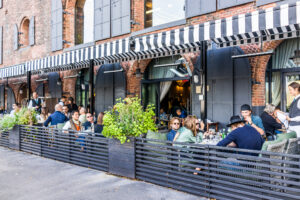
Restaurants generate a different category of waste than most businesses — grease, food scraps, packaging, and liquids that combine to create one of the fastest-building odor and bacteria problems in the food service industry. For Brooklyn restaurant owners, getting the cleaning schedule right isn’t just about appearances; it directly affects health inspections, pest control, and the experience of anyone walking past your building.
Why do restaurant dumpsters need more frequent attention than other businesses?
Unlike retail or office waste, restaurant dumpsters regularly contain organic material that decomposes quickly, along with grease and oils that cling stubbornly to interior surfaces. This combination creates ideal conditions for bacterial growth and strong odors within days, not weeks, especially during warmer months.
What’s a reasonable baseline cleaning frequency?
For most full-service restaurants, a bi-weekly to monthly cleaning schedule is the standard starting point, with adjustments based on:
- Volume of food waste generated daily
- Amount of grease or oil disposal
- Dumpster location (enclosed area vs. open lot)
- Proximity to dining areas, patios, or building entrances
- Season and ambient temperature
High-volume kitchens — think busy dinner service seven nights a week — often need cleaning every two weeks rather than monthly to stay ahead of buildup.
How does Brooklyn’s climate factor in?
Brooklyn’s humid summer months accelerate decomposition and odor development significantly, which means restaurants operating patios or sidewalk seating near their dumpster enclosure may need to increase frequency from May through September. A dumpster that’s manageable on a monthly schedule in February can become a serious odor problem by July on that same schedule.
What are the signs a restaurant dumpster is overdue?
Rather than waiting for a set date, watch for:
- Odor detectable from inside the restaurant or dining area
- Increased fly or pest activity near the enclosure
- Grease buildup visible on the ground beneath the dumpster
- Staff or customer complaints about smell near entrances
- Visible staining on the dumpster’s exterior walls
Any of these signs — especially odor reaching customer-facing areas — is a signal to move up your next cleaning rather than waiting.
How does enclosure placement affect cleaning needs?
Many Brooklyn restaurants, particularly in denser commercial corridors, keep dumpsters in tight enclosures or alleyways close to foot traffic. These enclosed spaces trap odor more effectively than open lots, which means restaurants in tighter urban footprints often need more frequent service than a suburban location with better airflow around the dumpster, even with similar waste volume.
What happens if cleaning is delayed too long?
Beyond the obvious odor and pest concerns, neglected dumpsters can lead to:
- Health code violations during surprise inspections
- Grease and residue that becomes harder (and more expensive) to remove
- Increased pest infestations that require separate remediation
- Negative reviews referencing smell near the entrance or patio
Building a schedule that fits your kitchen
The most effective approach pairs a recurring service with seasonal and volume-based adjustments:
- Every two weeks for high-volume kitchens or those with patio seating
- Monthly for lower-volume operations with well-ventilated enclosures
- Increased frequency during summer months regardless of baseline
Fresh Cans works with restaurants throughout Brooklyn to build cleaning schedules around actual kitchen volume and dumpster placement, not a one-size-fits-all calendar. Visit our Brooklyn service page for coverage details, or call 718-381-6505 to set up a schedule that keeps your dumpster area smelling clean year-round.